Pahvaz Co.
New Engineering Technology

Pahvaz Co.

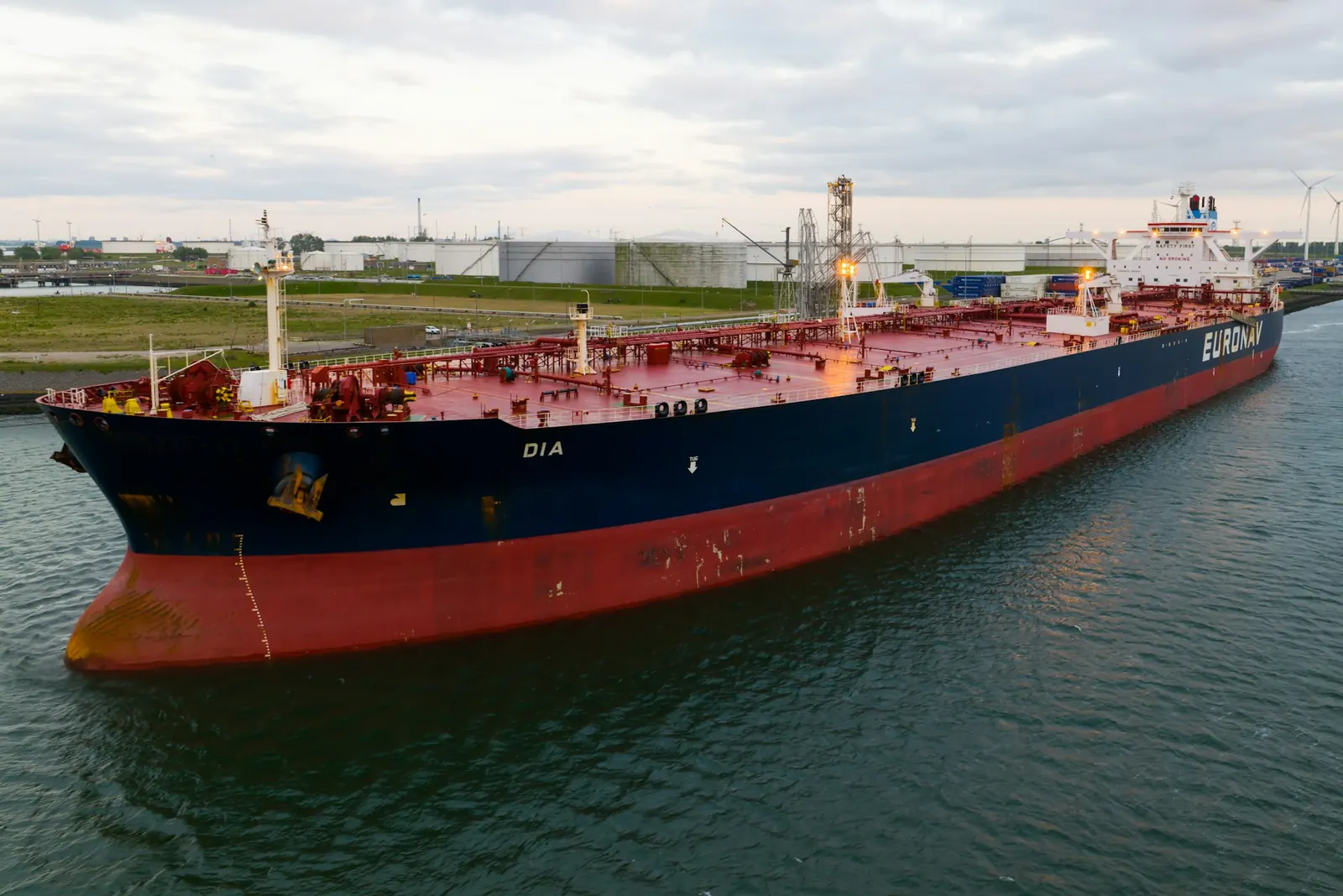
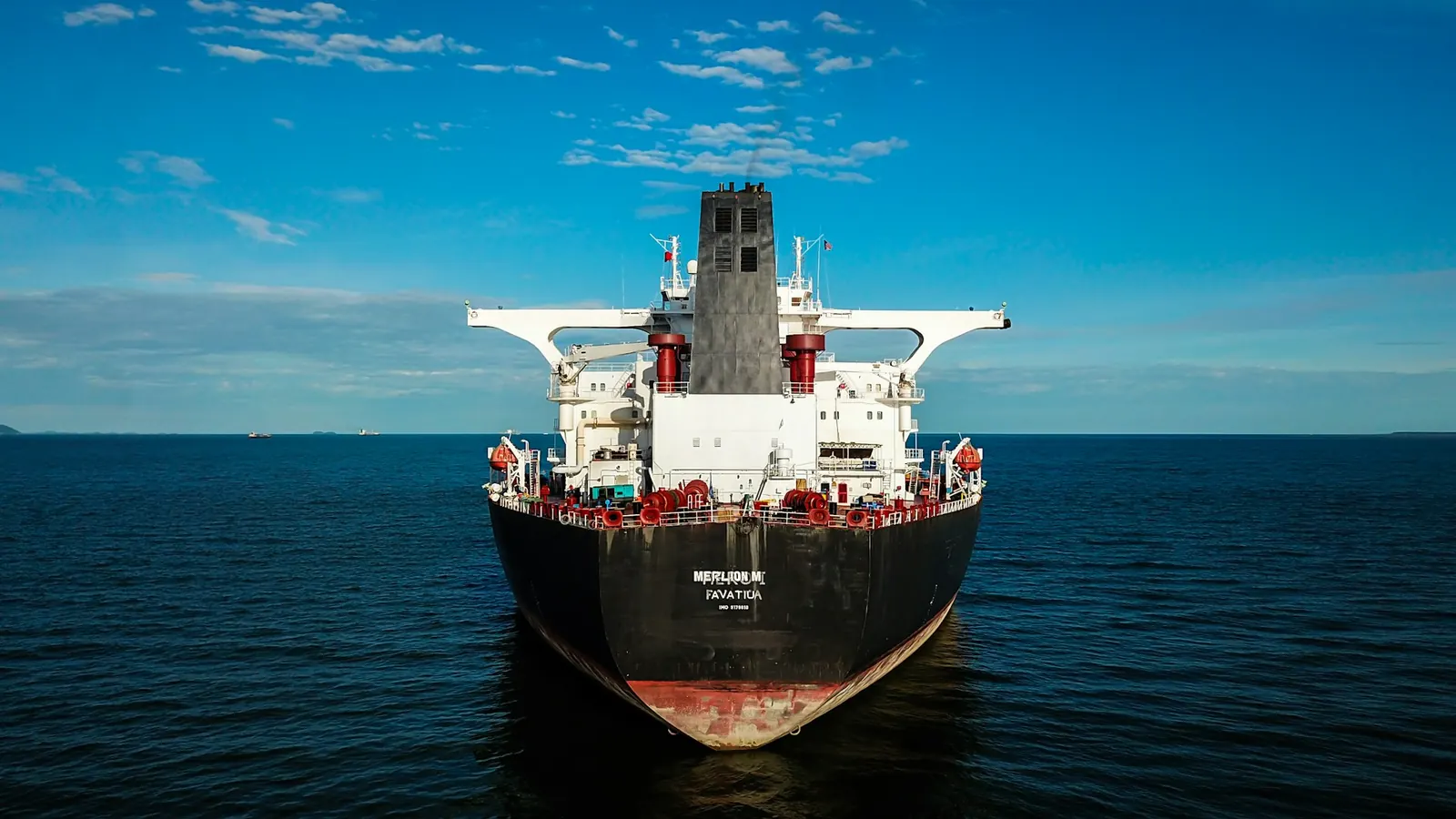
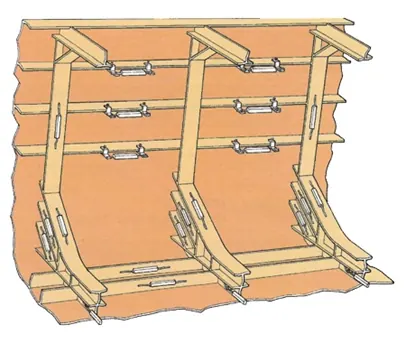
Corrosion in ship hulls has been a persistent industry challenge for years. Repeated repair of corroded sections consumes significant time and imposes substantial costs. Depending on the vessel condition and the required protection period, Pahvaz Company provides appropriate corrosion control solutions. Tankers and ballast tanks operate in highly corrosive service conditions, so safety and corrosion protection must be considered together. Cathodic protection systems using suitable sacrificial anodes provide a reliable solution for protecting these structures. Drawing on practical experience in this field, Pahvaz Company provides design, supply, and installation services for cathodic protection systems on ships and tankers.
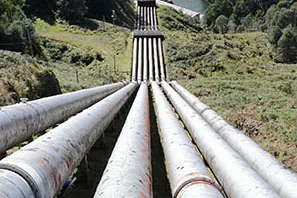
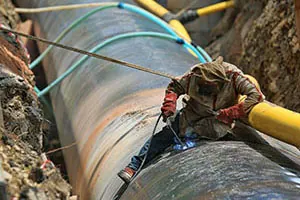
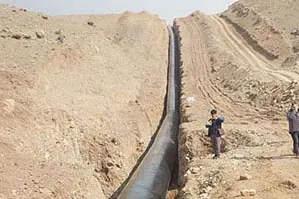
Despite the use of protective coatings on metal pipelines for transporting oil, gas, and water, various factors such as damage during transportation, sand padding and backfilling operations, and exposure to diverse soil and water conditions cause localized coating degradation. These damaged points initiate the corrosion and rusting process, and if not controlled, can lead to severe human and financial losses. The use of cathodic protection systems employing high silicon cast iron or mixed metal oxide titanium anodes (MMO) in shallow surface beds, deep wells, or along the pipeline length (wire anodes), depending on site conditions, increases the safety, durability, and service life of transmission pipelines. For older pipelines or those with poor-quality coatings, evaluating the coating condition prior to cathodic protection system implementation is of particular importance to maintain the polarization process and prevent direct contact between exposed metal surfaces and the soil.
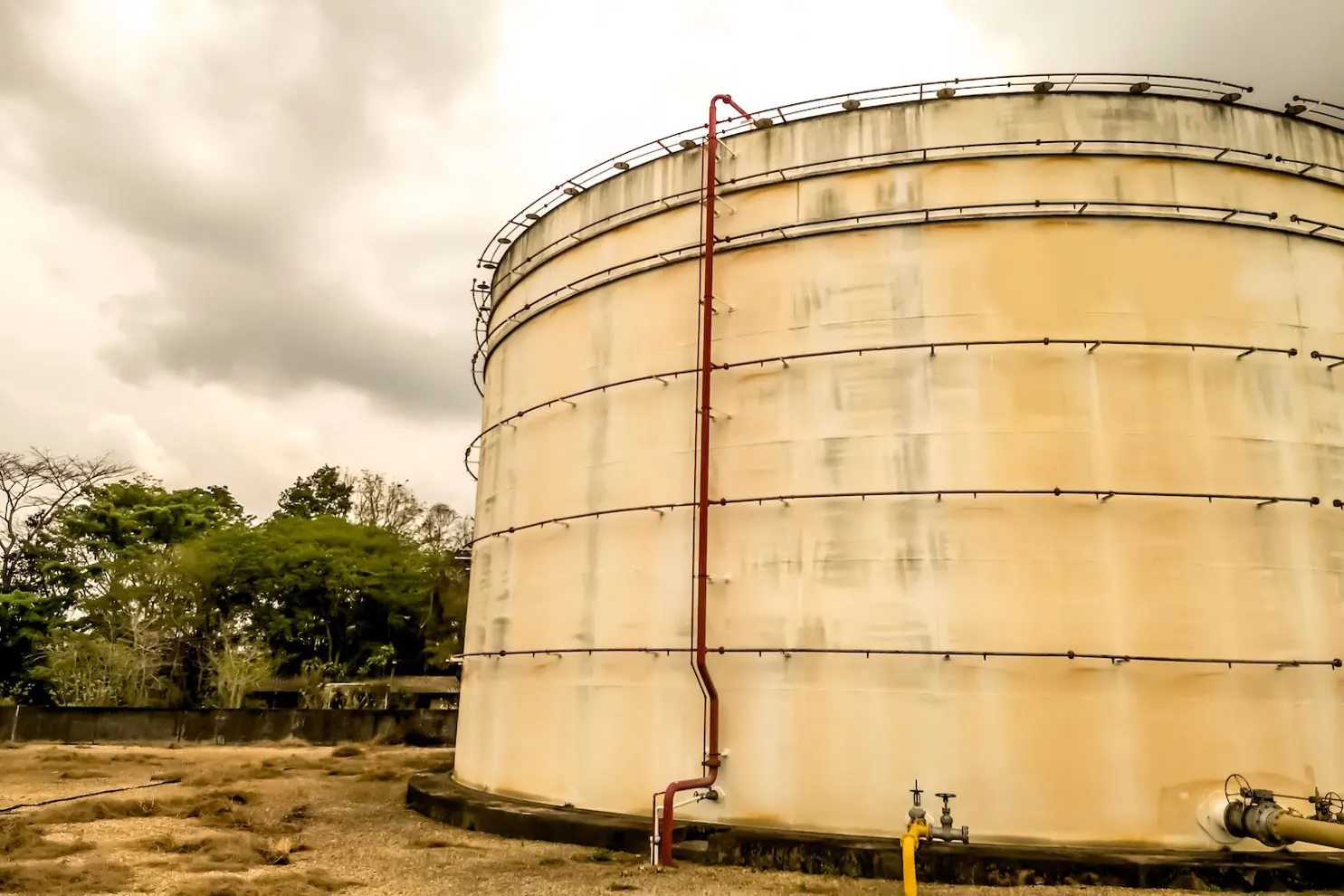
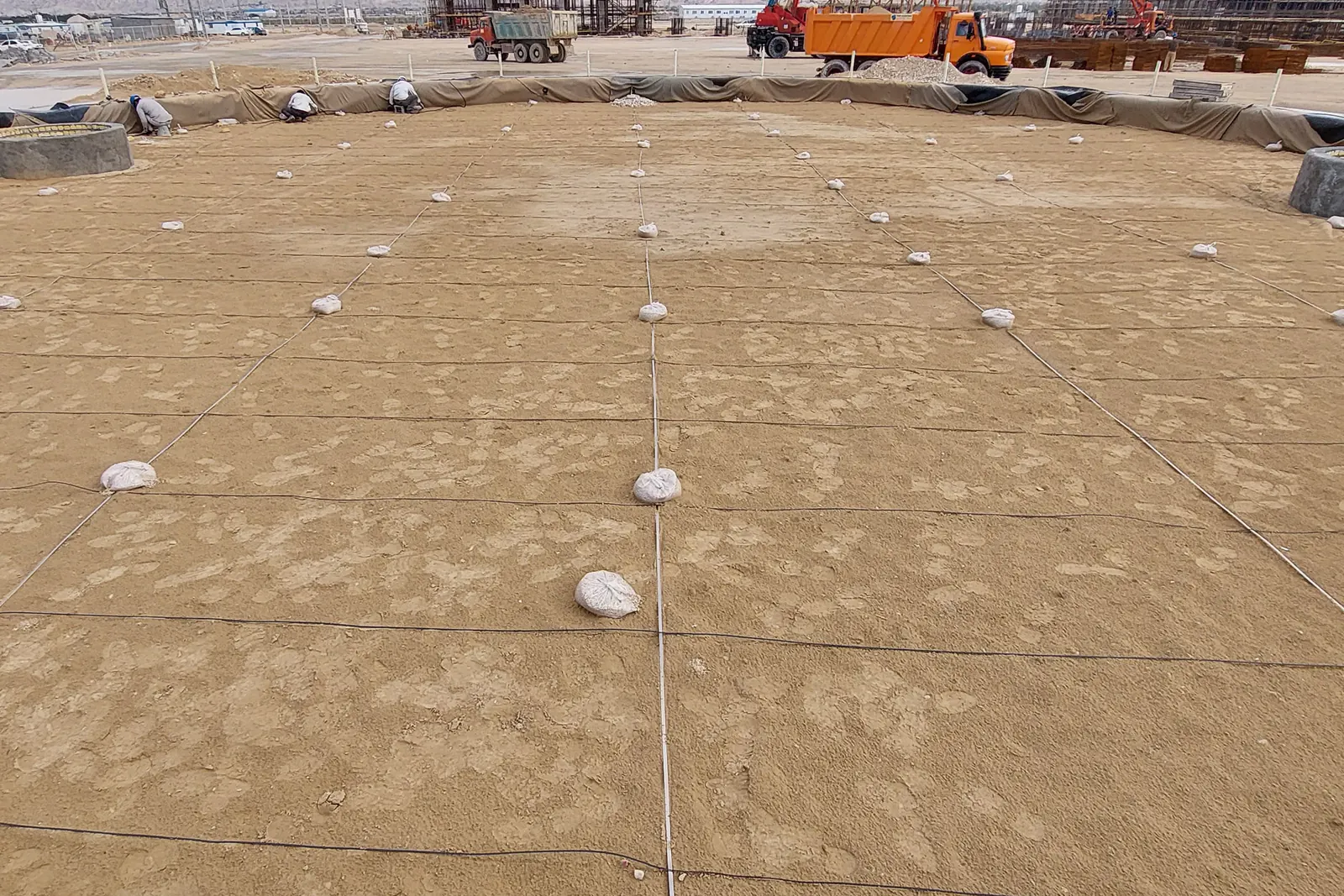
Above-ground storage tanks whose bottoms are in contact with soil or asphalt experience corrosion due to moisture and corrosive ions penetrating beneath the tank, leading to serious damage. Replacing bottom plates or performing major bottom repairs are among the most common and costly operations for owners and operators. Cathodic protection of the external surface of tank bottom plates using MMO-coated titanium ribbon anodes for tanks under construction, or MMO-coated titanium tubular anodes or cast iron anodes installed as deep well, semi-deep well, or shallow ground beds for small-diameter tanks without geomembrane insulation, offers a suitable, economical, and long-term solution at a significantly lower cost. This method has been used worldwide for years with proven effectiveness. Internal protection of water-containing tanks or those accumulating water at the bottom can be achieved using sacrificial magnesium, zinc, or aluminum anodes, depending on the fluid's specific electrical resistivity and operating temperature. Additionally, impressed current systems with MMO string anodes and transformer-rectifiers can protect fixed-roof water tanks from corrosion for 25 years. Temporary protection of storage tank bottoms before commissioning cathodic protection systems is a new industry challenge, as transformer rectifiers may not be energized and tank filling can take up to two years, during which corrosion continues. One innovative method to prevent bottom corrosion during this period is using Vapor Corrosion Inhibitors (VCI), which evaporate/sublime under environmental conditions, react with airborne moisture beneath the tank bottom to raise pH, form a protective film, and inhibit corrosion. In simpler terms, VCIs create a protective film on the metal surface (tank bottom plate) to block aggressive ions and moisture.

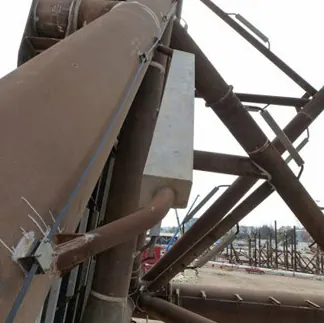
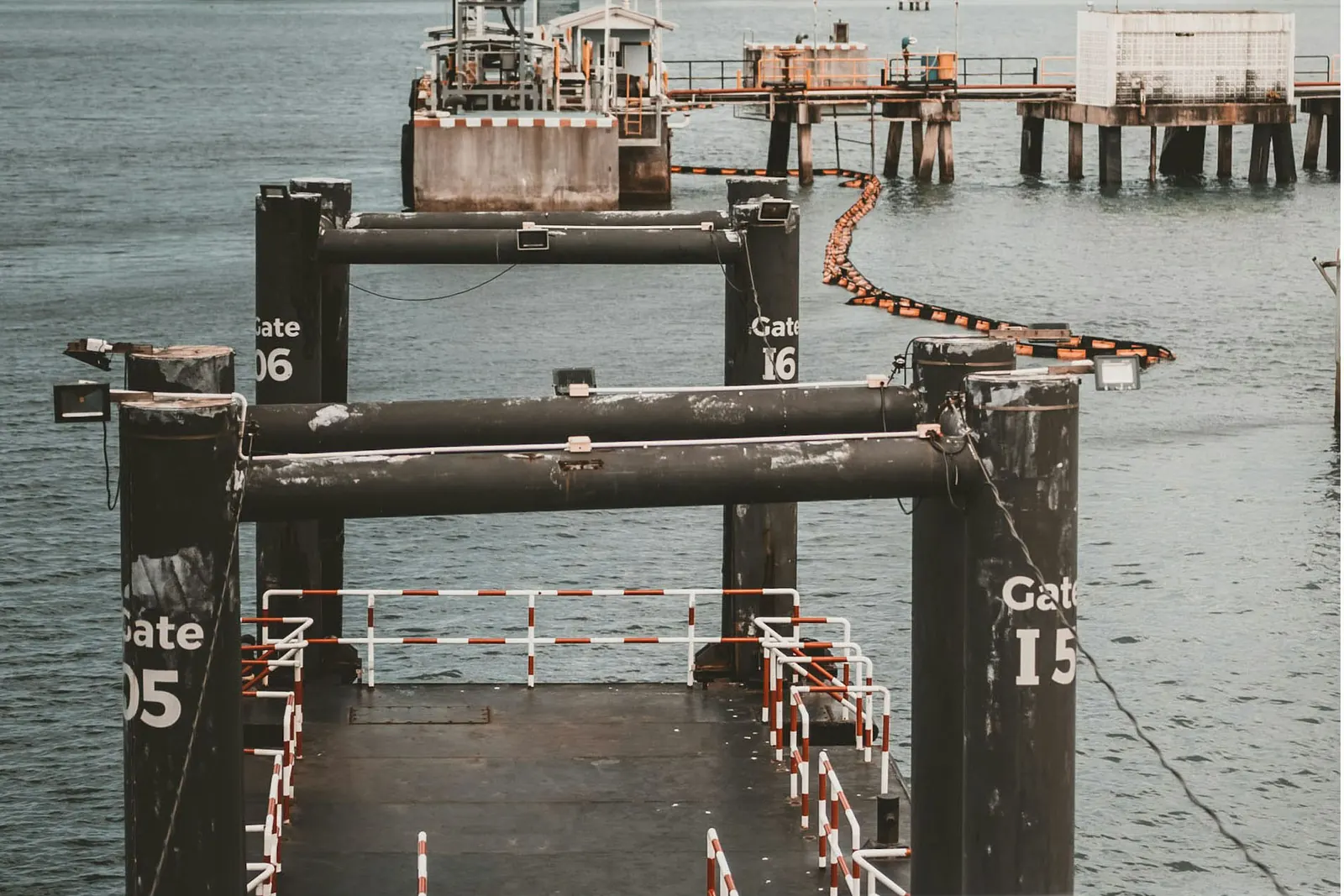
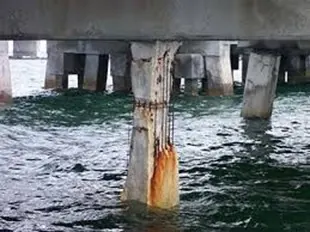
Seawater, due to its high chloride ion concentration, is one of the most corrosive electrolytes; as a result, corrosion of metal piles in docks has become a major and common challenge in the maritime industry. The use of impressed current cathodic protection systems employing MMO-coated titanium anodes with specialized support designs for installation, or aluminum sacrificial anodes, provides reliable and effective solutions to counter this issue. Silver-silver chloride reference electrodes are used to monitor the cathodic protection system.
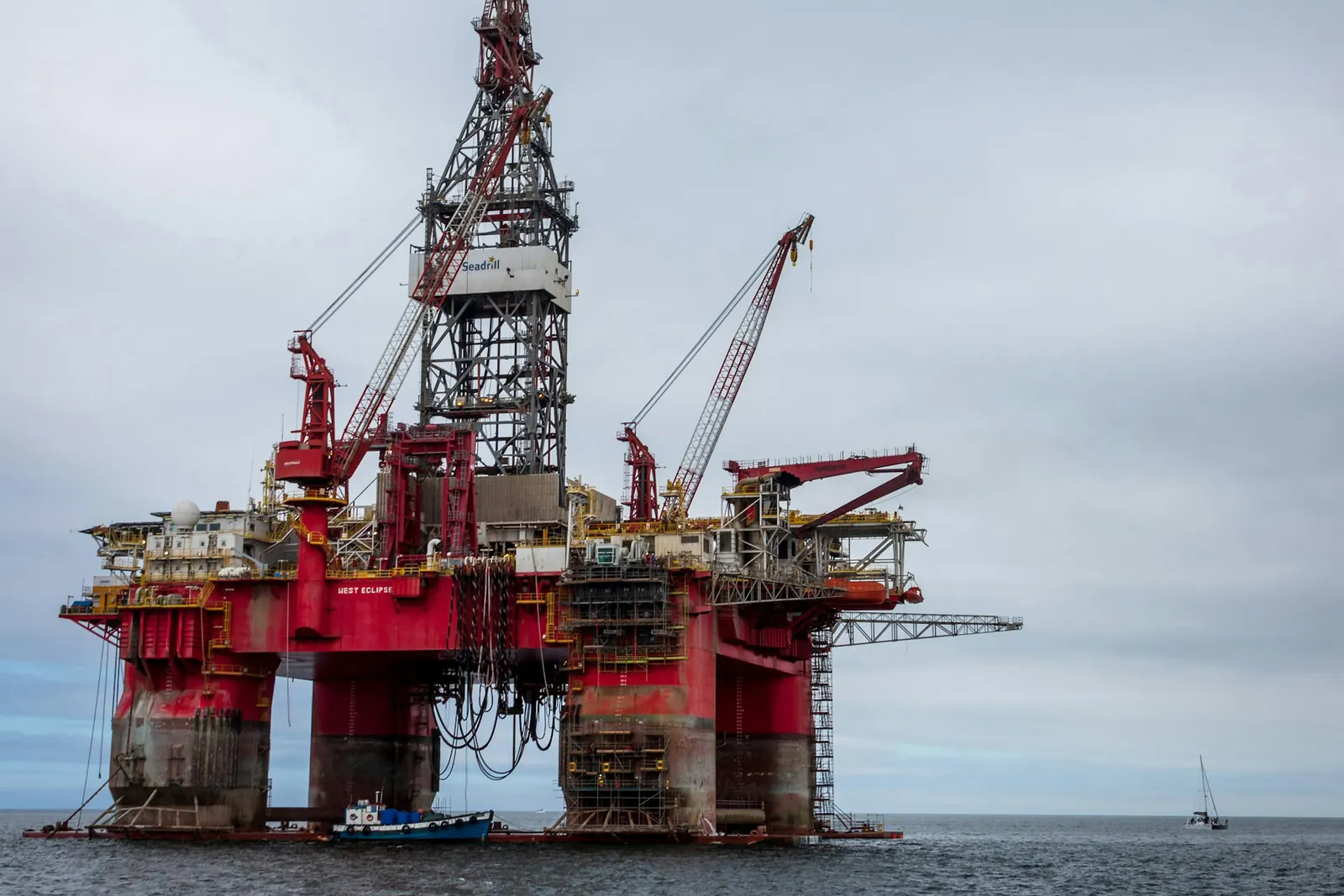
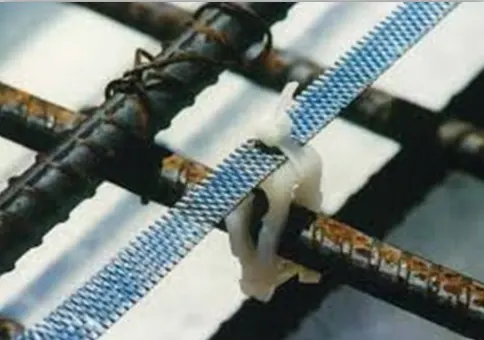
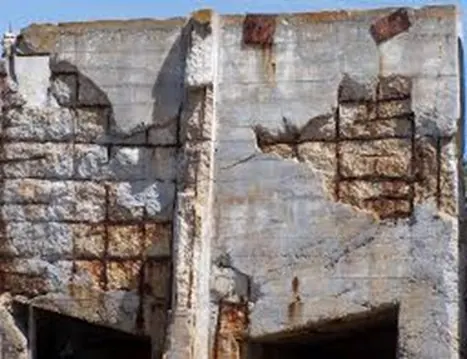
Corrosion of rebar in reinforced concrete is one of the primary factors reducing the lifespan of such structures. In fact, due to concrete's low tensile strength, it must be reinforced against tensile loads. Using steel rebars has been a long-standing solution to address this deficiency. Entry of chloride ions and carbon dioxide into the concrete triggers chemical reactions that lower the concrete's pH, often penetrating through surface pores and eventually reaching a threshold where the protective layer breaks down, causing the steel to corrode. Based on inspections and tests, and depending on whether the corrosion is localized or widespread throughout the structure, cathodic protection systems can be employed to extend the life of these structures. With cathodic protection, chloride ions slowly migrate from the steel rebars toward the anode, and hydroxide ion production on the steel surface restores the concrete's alkaline state, allowing a passive layer to reform on the rebars. In other words, cathodic protection increases pH, removes chlorides, enhances protection, and reduces the risk of rebar corrosion in concrete.
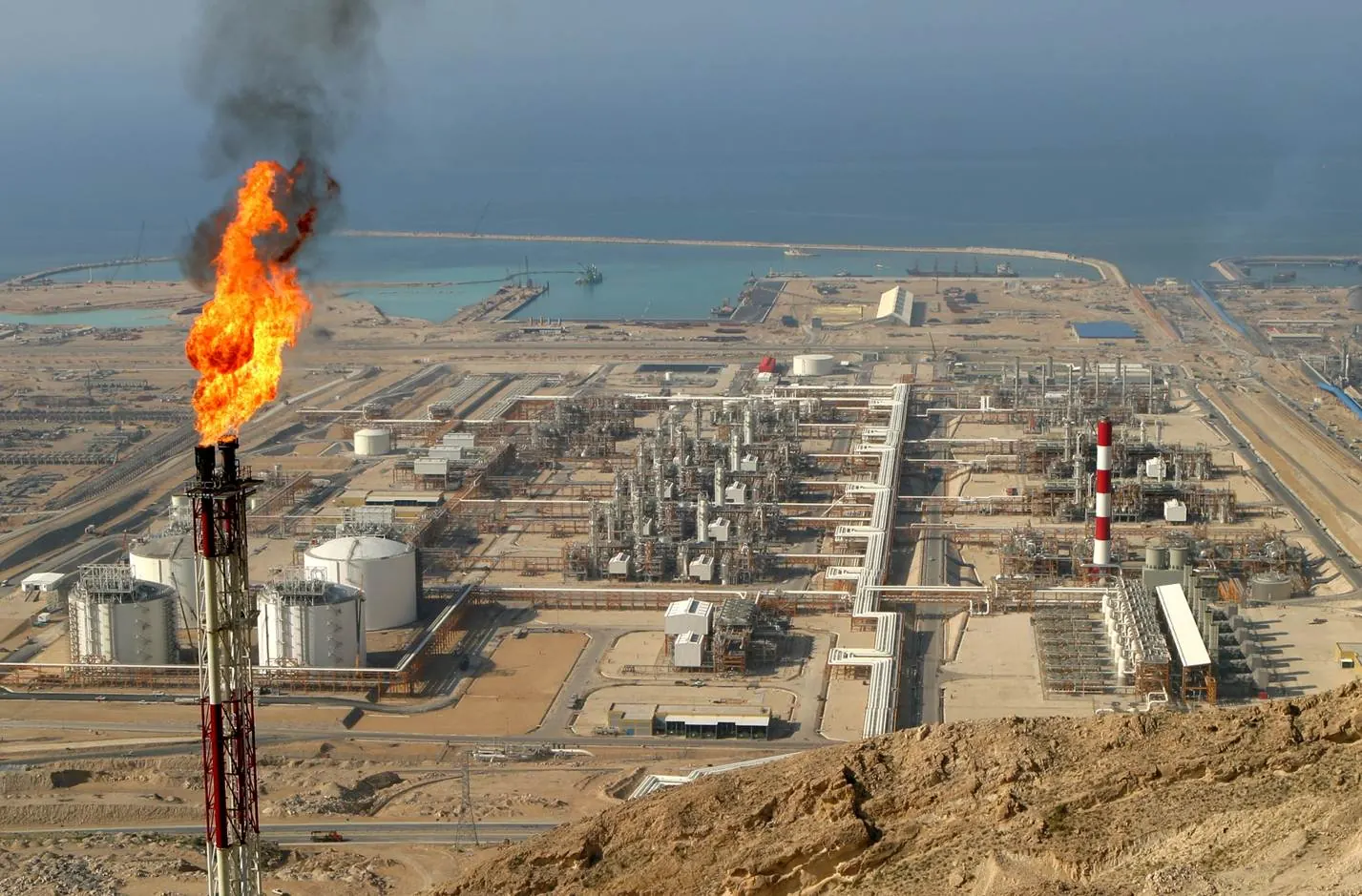
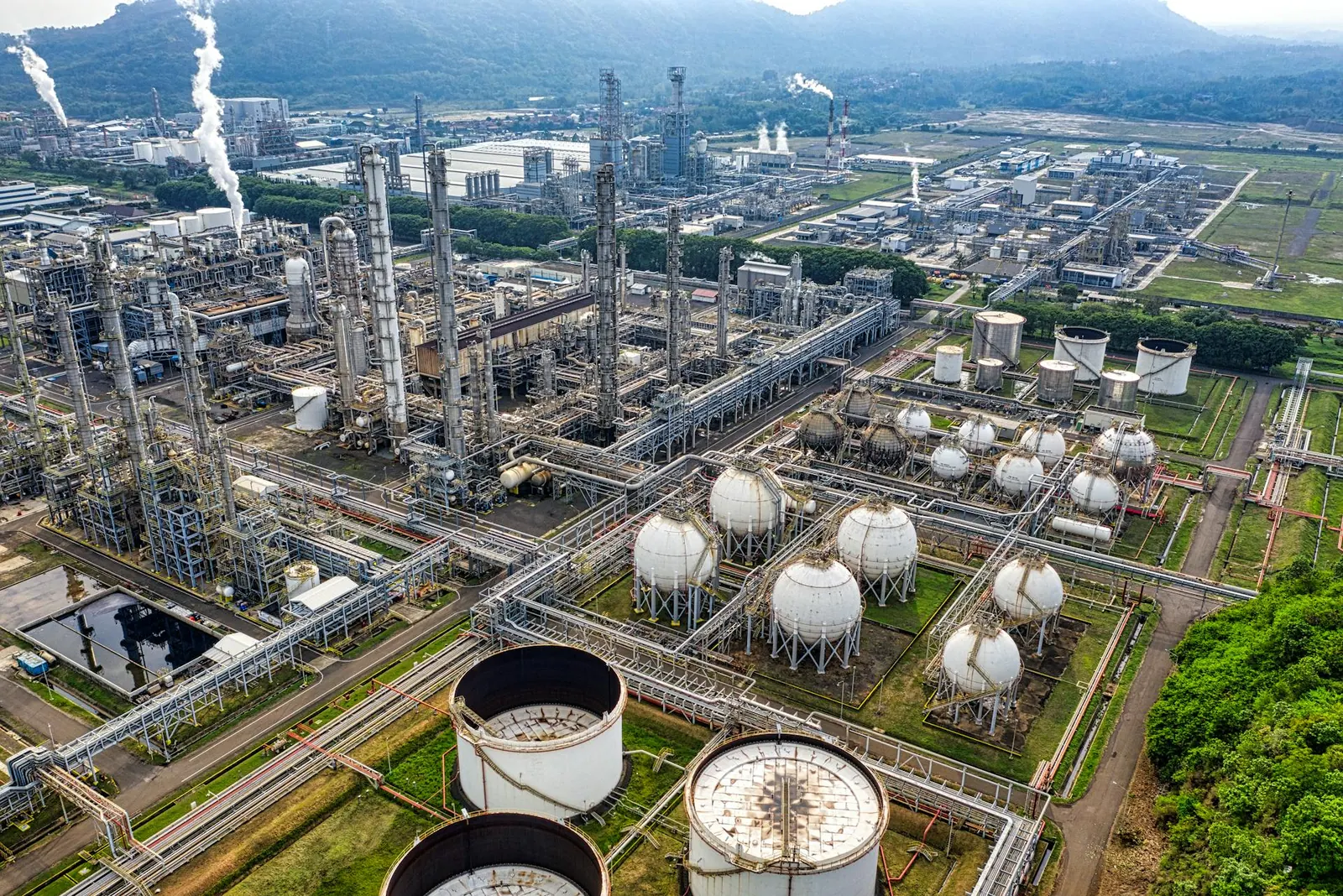
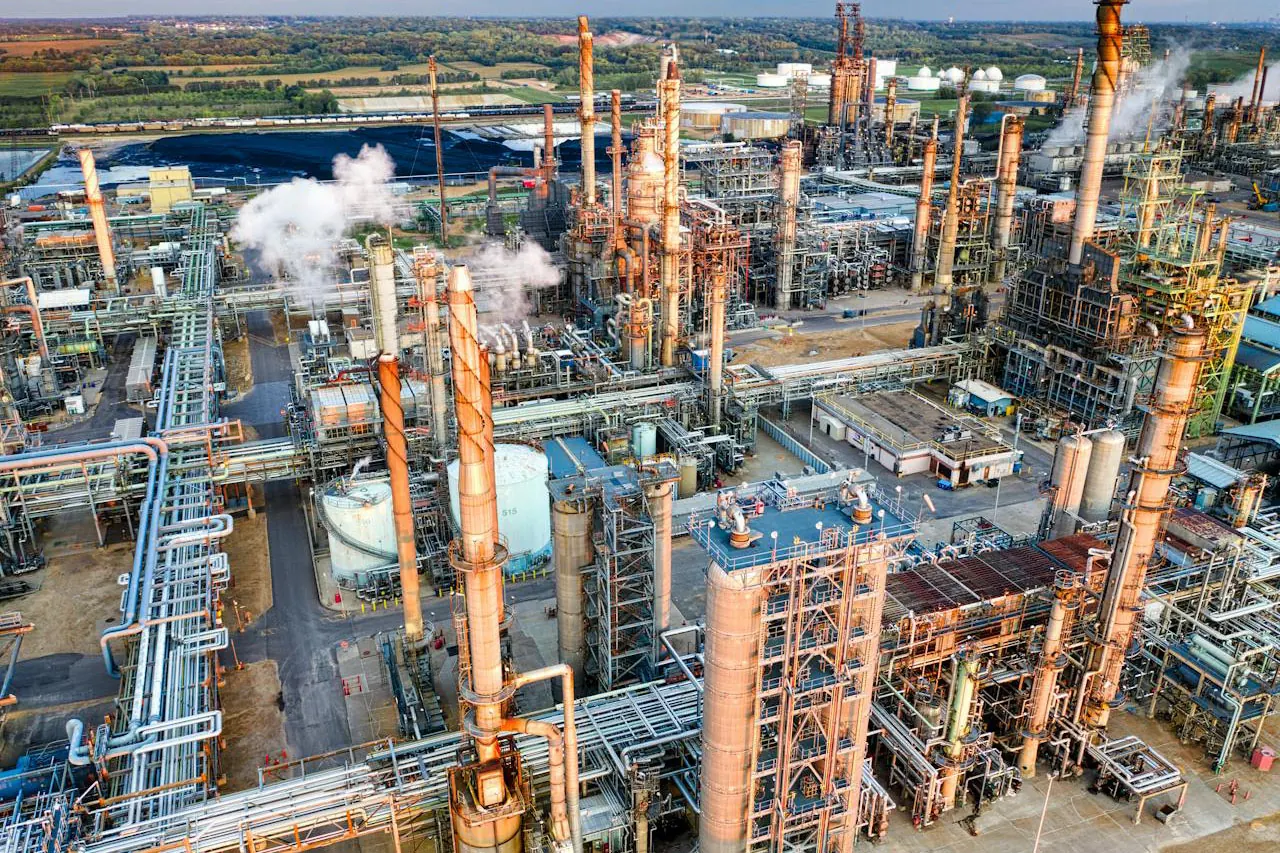
Congested industrial plants with underground piping of different diameters, aboveground metal tanks, and buried drums are among the most complex environments for corrosion prevention. Dense networks of pipelines and equipment require corrosion protection solutions backed by strong field experience and technical knowledge. Distributed cathodic protection systems using high-silicon cast iron anodes and MMO-coated titanium anodes in surface beds, deep wells, or along the pipeline route (MMO wire anodes), depending on site conditions, can protect piping systems from corrosion. Drums or buried tanks in soil are susceptible to external surface corrosion, and corrosion or perforation of these tanks poses significant human and financial risks. Using wire anodes in impressed current cathodic protection systems with transformer-rectifiers, or sacrificial anodes, provides suitable solutions to combat corrosion.